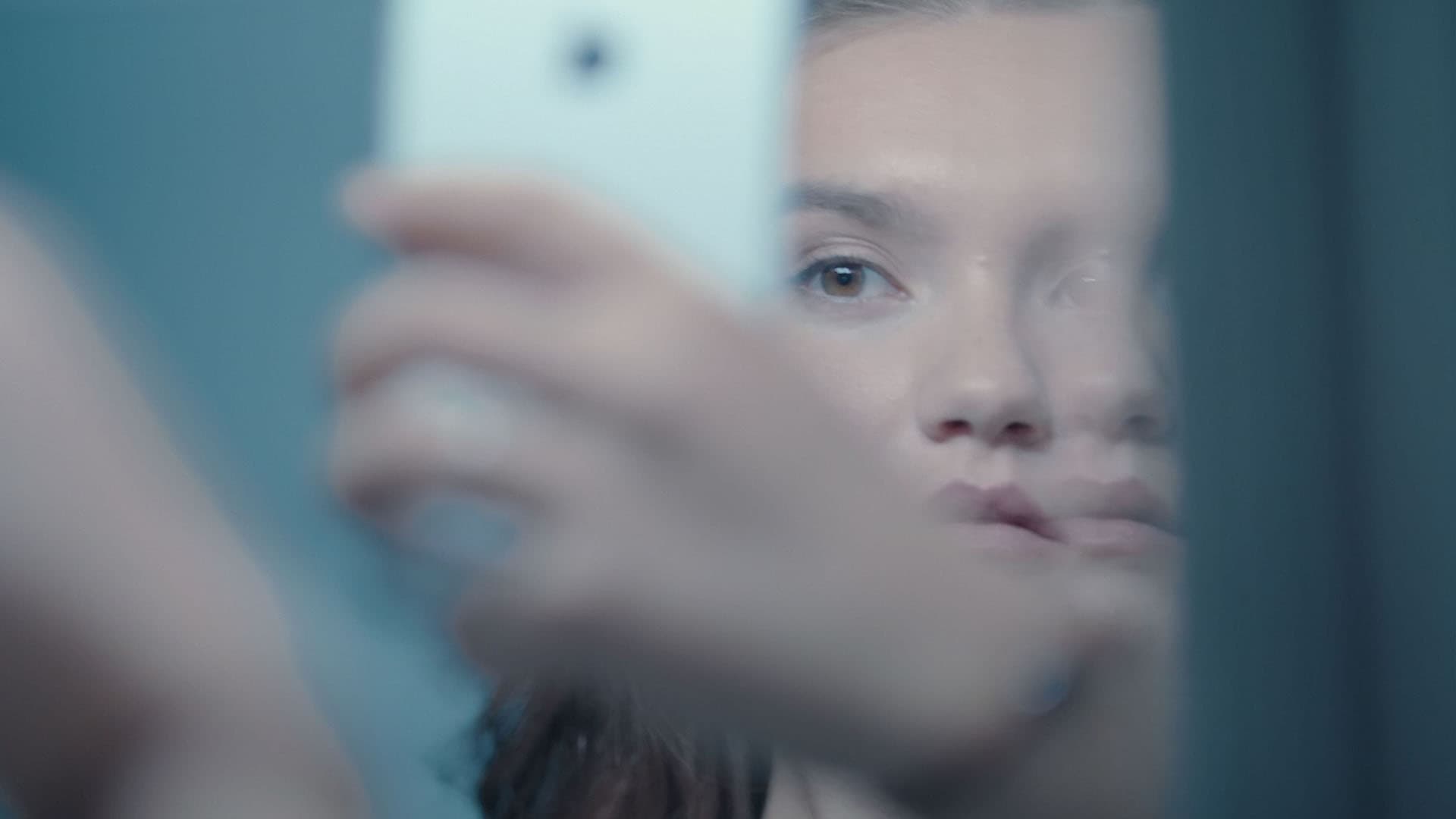
Children and young people use mobile phones and apps to take and share pictures and videos. Regrettably, many young people take sexualised photos and videos of themselves and others which they subsequently share.
They obviously tend to think that the internet provides more anonymity than is actually the case, something which blurs the lines between acceptable and unacceptable behaviour. The police encounter many cases where young people send nude photos to somebody they trust, but later discover that the photo has been shared. Such sharing is illegal, and can have a major negative impact on the victim.
As a rule, taking, possessing or sharing sexualised photos of children and young people under the age of 18 is a criminal offence.
Ignorance of the lawMany young Norwegians are unfamiliar with the law and the limits it sets. It is easy to lose control of a shared photo. Nude photos and sex videos shared online are hard to remove entirely. Knowing that a nude photo of you is circulating online can be a heavy burden (
). Most people understand that distributing photos of this nature is far from OK, but do they know that it is a criminal offence?The Norwegian Penal Code has the following to say on the subject:
Sending sexualised photos to a person under the age of 16 or to older persons who have not given their prior consent is a criminal offence.
In principle, TAKING, POSSESSING or SHARING nude photos or videos of a person under the age of 18 is punishable.
However, possession of a nude photo of someone aged between 16 and 18 may not result in criminal charges if the pictured person has given his or her consent and those involved are of approximately equal age and maturity. Distributing the photo is in any case illegal.
Not commonShould a general belief that this type of image sharing is very common be allowed to become established, some people may feel pressured to do it. It is therefore important to highlight the fact that most young people do not send nude photos.
, 87 per cent of the age group from 13 to 18 years stated that they have not done so in the preceding year.What can young people in these situations do?Have you experienced something similar? Get help to deal with it. Tell an adult you trust. It might be one of your parents, a teacher, a school nurse or a social worker.You may also contact the police. To get in contact with your local police, you may call 02800 or visit the nearest police station.There are also other services that can help you and provide advice. Check out the websites
Young people must know that they can talk to their parents or other adults they trust, if they find themselves in a difficult situation. A far better course of action than judging or punishing them is telling them that everybody makes mistakes. The most important thing is talking to your children. Ask questions and tell them about the consequences of illegal image sharing – in this way, you may help your child make the right decisions. Who are the recipients of the photos? Is it legal? Is it OK? What if your photo is distributed?
Have any of your children fallen victim of image sharing? Here is some advice:
Take screenshots and record the names of the persons who have shared, and when.
Inform the application or web services in question.
Contact the police on 02800, or go to the nearest police station.